
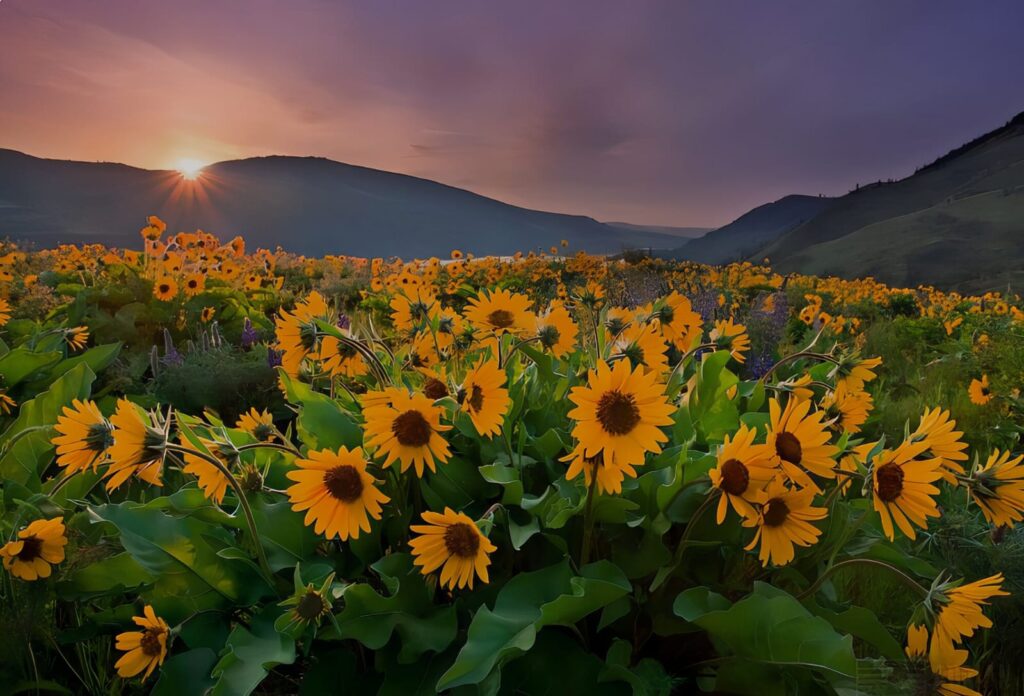
Beyond the Horizon: Unconventional Approaches to Landscape Photography
Landscape photography traditionally captures the beauty and majesty of nature, from sweeping vistas to serene forests. However, by thinking outside the box and embracing innovative techniques, photographers can transform typical landscapes into unique and compelling works of art. This blog delves into some unconventional approaches to landscape photography that push the boundaries of creativity.
The Concept of Narrative Landscapes
Landscape photography can tell stories just as powerfully as portraits or documentary images. By incorporating elements that hint at a narrative, photographers can add layers of meaning and intrigue to their images.
- Human Elements: Introducing human elements, like a lone hiker, an abandoned building, or a worn path, can suggest stories of exploration, history, or solitude. These elements provide a point of connection for viewers and evoke curiosity about the lives intertwined with the landscape.
- Temporal Layers: Capture the same location at different times of the day, year, or weather conditions. This series can reveal the evolving character of a place and highlight its dynamic nature.
- Cultural Context: Integrate cultural or historical elements that tell a deeper story about the location. Ancient ruins, traditional structures, or local activities can provide insight into the significance of the landscape.
Experimental Techniques in Landscape Photography
- Infrared Photography:
- Concept: Infrared photography captures light not visible to the human eye, producing surreal and otherworldly images.
- Execution: Use an infrared filter or a converted camera to capture landscapes in infrared. The results often feature glowing foliage, dark skies, and a dreamlike atmosphere.
- Tilt-Shift Photography:
- Concept: Tilt-shift lenses can create a miniature effect, making real-life scenes look like tiny models.
- Execution: Use a tilt-shift lens or digital editing to apply a selective blur, emphasizing a small area of the image and creating a unique perspective on vast landscapes.
- Long Exposure Techniques:
- Concept: Long exposures capture movement over time, creating ethereal effects with water, clouds, and light.
- Execution: Use a tripod and neutral density filters to extend exposure times. Experiment with capturing the flow of rivers, the movement of clouds, or the trails of stars.
- Multiple Exposures:
- Concept: Combine multiple exposures into a single image to create complex and layered compositions.
- Execution: Use in-camera multiple exposure settings or post-processing techniques to merge different shots. This can blend different times of day, seasons, or even entirely different locations.
- Intentional Camera Movement (ICM):
- Concept: Move the camera during exposure to create abstract and impressionistic images.
- Execution: Use slow shutter speeds and intentionally move the camera up, down, or in circular motions while taking the shot. The resulting images can resemble paintings and offer a fresh take on familiar landscapes.
The Psychological Impact of Landscape Photography
Understanding the emotional and psychological impact of landscapes can enhance the depth of your photographs. Here are some strategies to tap into these elements:
- Color Psychology: Different colors evoke different emotions. Use warm tones to convey comfort and tranquility, or cool tones to evoke calm and introspection.
- Compositional Balance: Balance elements within the frame to create harmony and peace, or use asymmetry and leading lines to generate tension and excitement.
- Light and Mood: Light plays a critical role in setting the mood of a landscape. Soft, diffused light can create a serene atmosphere, while dramatic, high-contrast light can evoke awe and wonder.
Integrating Technology and Art
- Drone Photography: Drones offer a new perspective, capturing landscapes from above and revealing patterns and compositions that are invisible from the ground.
- Augmented Reality (AR) and Virtual Reality (VR): Use AR and VR to create immersive landscape experiences. This technology can bring static images to life, allowing viewers to explore landscapes in new and interactive ways.
- AI and Computational Photography: Use AI tools to enhance and manipulate landscape images. These tools can help create stunning composites, correct imperfections, and add artistic effects.
Conclusion: Expanding Horizons in Landscape Photography
Landscape photography is a field rich with opportunities for innovation and creative exploration. By embracing unconventional techniques, considering the psychological impact of your images, and integrating modern technology, you can push the boundaries of traditional landscape photography. This approach not only enhances the visual appeal of your work but also deepens its emotional and narrative resonance. In the ever-evolving world of landscape photography, the horizon is just the beginning.