
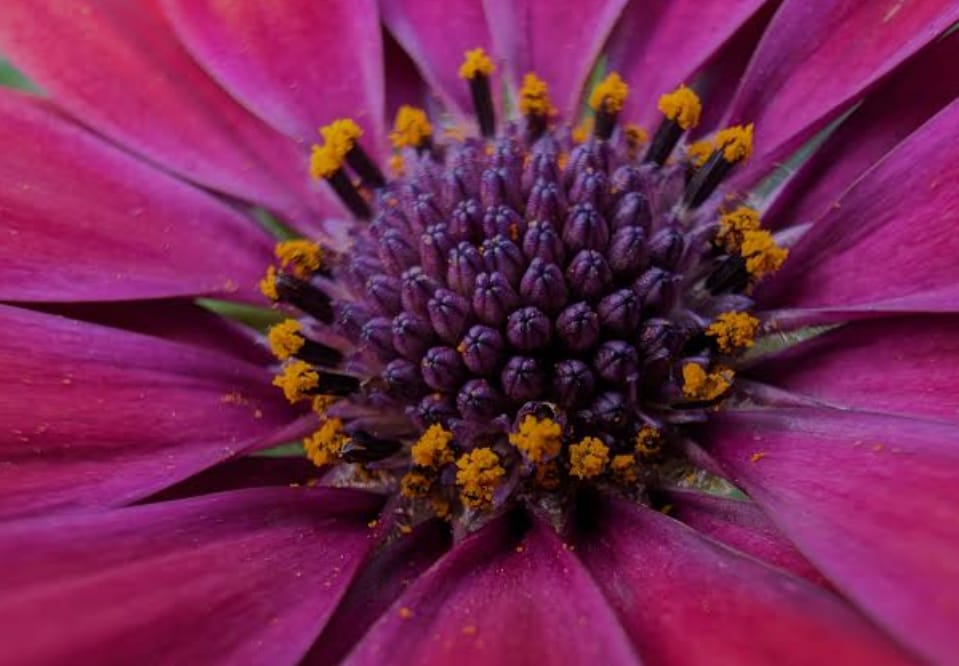
Macro Magic: Unveiling the World Up Close
Introduction
Macro photography invites us into a miniature universe often overlooked by the naked eye. It’s a realm where tiny details become grand spectacles, revealing the intricate beauty of the small and often unnoticed. Whether you’re a seasoned macro enthusiast or a curious beginner, this blog will guide you through the fascinating world of capturing close-up wonders.
What Makes Macro Photography Special?
Macro photography allows us to explore the smallest details of everyday objects, insects, plants, and textures, revealing patterns and structures that are often invisible to the casual observer. It challenges us to see the world in a new light, where even the tiniest subject can become a work of art.
Essential Gear for Macro Photography
To delve into the world of macro photography, having the right equipment is crucial:
• Macro Lens: A dedicated macro lens (e.g., 60mm, 100mm, 150mm) allows for close focusing and captures intricate details with sharpness.
• Extension Tubes: These budget-friendly accessories reduce the minimum focusing distance of your existing lenses, enabling closer shots.
• Tripod: Stability is key, especially when working with such close distances. A sturdy tripod helps eliminate camera shake.
• Macro Flash or Ring Light: Provides even illumination and reduces shadows when shooting in close proximity.
• Remote Shutter Release: Minimizes camera movement during exposure, ensuring sharp images.
Techniques and Tips
1. Focus and Depth of Field: Use a narrow aperture (e.g., f/8 to f/16) to maximize depth of field and keep more of your subject in focus.
2. Manual Focus: Precise focusing is critical in macro photography. Use manual focus or focus stacking techniques for optimal sharpness.
3. Natural Light vs. Artificial Light: Experiment with diffused natural light for soft illumination or use artificial light sources to control lighting conditions.
4. Composition: Pay attention to background elements, textures, and angles to create compelling compositions that highlight your subject.
Capturing the Tiny Wonders
Macro photography is as much about patience as it is about technique. Here are some tips for capturing stunning macro shots:
• Explore Different Perspectives: Get low, shoot from different angles, and experiment with compositions to reveal unique perspectives.
• Use Reflectors: Reflectors can bounce light onto your subject, enhancing details and textures.
• Stay Still and Patient: Minimize movement to prevent disturbing your subject and wait for the perfect moment to capture.
Post-Processing
Post-processing in macro photography can enhance details and correct minor imperfections. Consider adjustments in exposure, contrast, and sharpness while maintaining the natural look and feel of your images.
Ethical Considerations
Respect for your subjects and their habitats is crucial in macro photography:
• Avoid Harm: Handle subjects gently and with care to minimize stress or harm.
• Respect Natural Environments: Be mindful of fragile ecosystems and avoid damaging plants or habitats.
• Observe Local Regulations: Some areas may have specific rules regarding macro photography, especially in protected natural areas.
Conclusion
Macro photography opens a door to a hidden world of beauty and fascination. It challenges us to appreciate the intricate details that surround us and encourages a deeper connection with the natural world. Whether you’re capturing the delicate wings of a butterfly or the texture of a flower petal, each macro photograph tells a unique story waiting to be discovered.
Embark on this journey with curiosity and creativity, and let the magic of macro photography unfold before your lens. Happy exploring!