
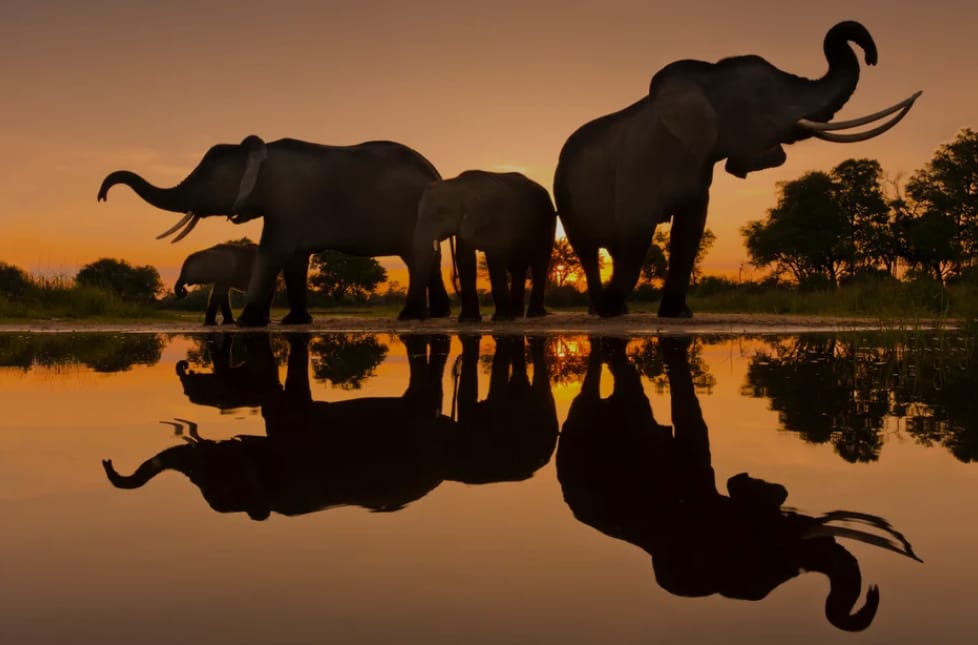
Exploring the Wild: A Journey into Wildlife Photography
Introduction
Wildlife photography is more than just capturing images of animals; it’s about telling a story of the wild, showcasing the raw beauty and sheer wonder of the natural world. This genre demands patience, persistence, and a deep respect for nature. Whether you’re a budding photographer or a seasoned professional, the allure of wildlife photography lies in the thrill of the chase and the unpredictability of the subjects.
The Allure of Wildlife Photography
Wildlife photography offers a unique blend of adventure and artistry. Each photograph is a moment frozen in time, a glimpse into the lives of creatures that share our planet. From the majestic stride of a lion in the savannah to the delicate flutter of a butterfly’s wings, these images evoke emotions and inspire a greater appreciation for the natural world.
Essential Gear for Wildlife Photography
To excel in wildlife photography, having the right gear is crucial. Here’s a rundown of essential equipment:
• Camera Body: A DSLR or mirrorless camera with fast autofocus and high burst rates is ideal.
• Lenses: Telephoto lenses (e.g., 300mm, 400mm, 600mm) are essential for capturing distant subjects without disturbing them.
• Tripod/Monopod: Stability is key, especially when using long lenses.
• Protective Gear: Weather-resistant bags, lens covers, and other protective accessories are necessary for outdoor shoots.
• Clothing: Camouflage or neutral-colored clothing helps you blend into the environment and avoid startling wildlife.
Techniques and Tips
1. Patience and Persistence: Wildlife photography often involves long hours of waiting. Patience is your best companion.
2. Know Your Subject: Understanding animal behavior can increase your chances of capturing unique moments.
3. Ethical Photography: Respect the wildlife and their habitats. Avoid actions that could harm animals or disrupt their natural behaviors.
4. Use Natural Light: Early mornings and late afternoons provide the best light for photography, known as the golden hours.
5. Composition: Use the rule of thirds, leading lines, and framing to create compelling compositions.
Capturing the Perfect Shot
One of the most rewarding aspects of wildlife photography is the unpredictability. Unlike staged or controlled environments, wildlife offers spontaneous moments. Here’s how to increase your chances of capturing the perfect shot:
• Be Ready: Always have your camera settings adjusted and be prepared for action.
• Focus on the Eyes: The eyes are the most expressive part of an animal and can make a photo more engaging.
• Shoot in Burst Mode: Increase the chances of getting the perfect shot by shooting in continuous mode.
Post-Processing
Editing plays a significant role in enhancing wildlife photos. Basic adjustments in exposure, contrast, and sharpness can make a big difference. However, strive to maintain the natural look and feel of your images. Over-processing can detract from the authenticity of the scene.
Ethical Considerations
Wildlife photography comes with a responsibility to protect and conserve nature. Always follow these ethical guidelines:
• Maintain Distance: Do not approach animals too closely. Use long lenses to keep a safe and respectful distance.
• Avoid Feeding Wildlife: Feeding can disrupt their natural behaviors and make them dependent on humans.
• Respect Habitats: Stay on designated paths and avoid trampling on vegetation or disturbing natural habitats.
Conclusion
Wildlife photography is a rewarding and enriching pursuit that allows us to connect with nature on a profound level. It requires skill, dedication, and a genuine respect for the natural world. Through your lens, you have the power to raise awareness about wildlife conservation and inspire others to appreciate the beauty and fragility of our planet’s diverse ecosystems.
Embark on this journey with an open heart and a keen eye, and let the wilderness reveal its secrets to you. Happy shooting!